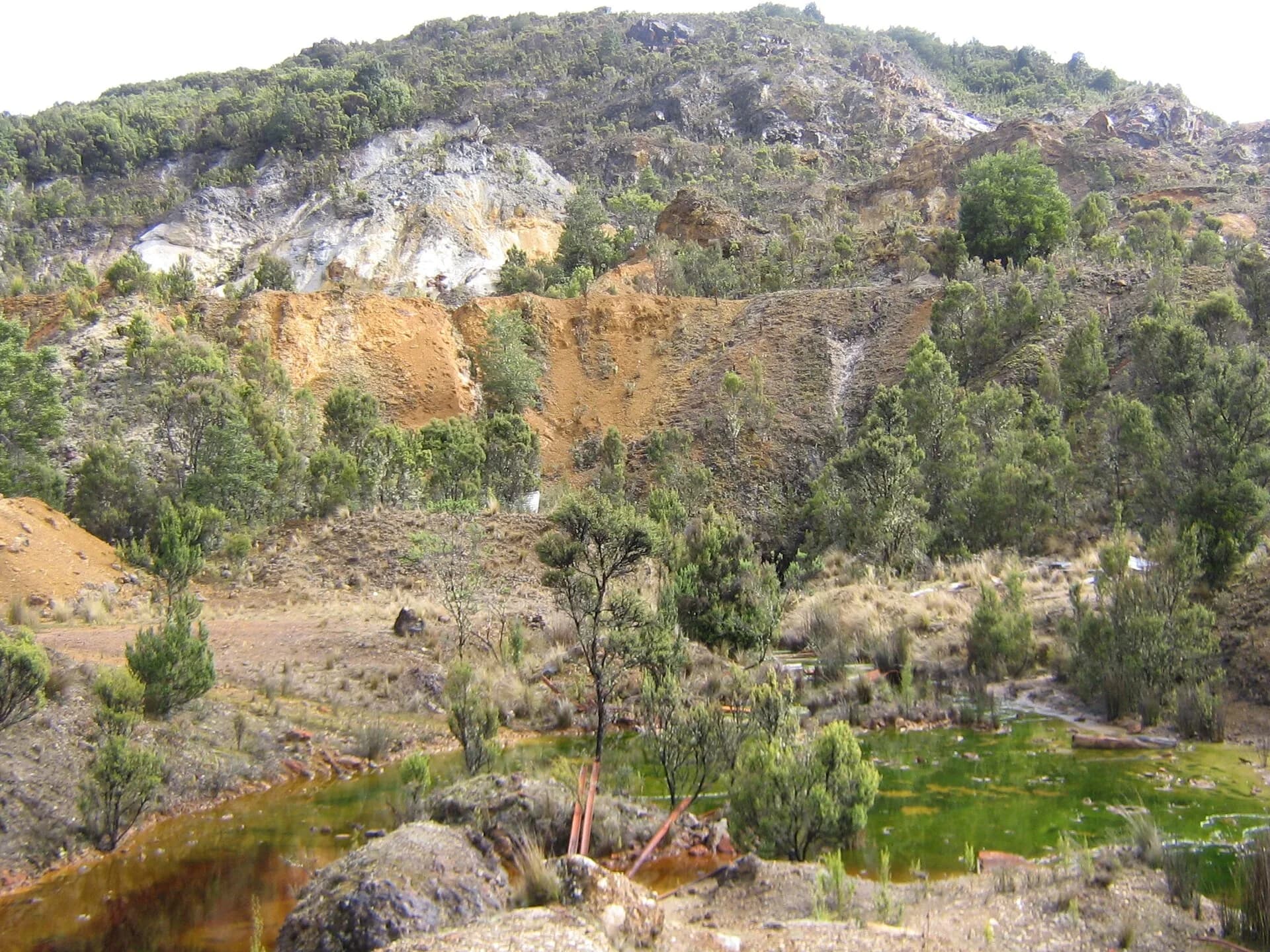

The former county of Devon covered much of north-central and north-west Tasmania. Prospectors and companies investigated iron, gold, copper, limestone, coal, shale, tungsten and ochre, but many fields were small or short-lived.
Geology did not guarantee a mine
Mineral reports record discoveries, assays and trial workings that never became sustained industries. Separate a mineral occurrence from a producing mine, and compare promotional company claims with government surveys.
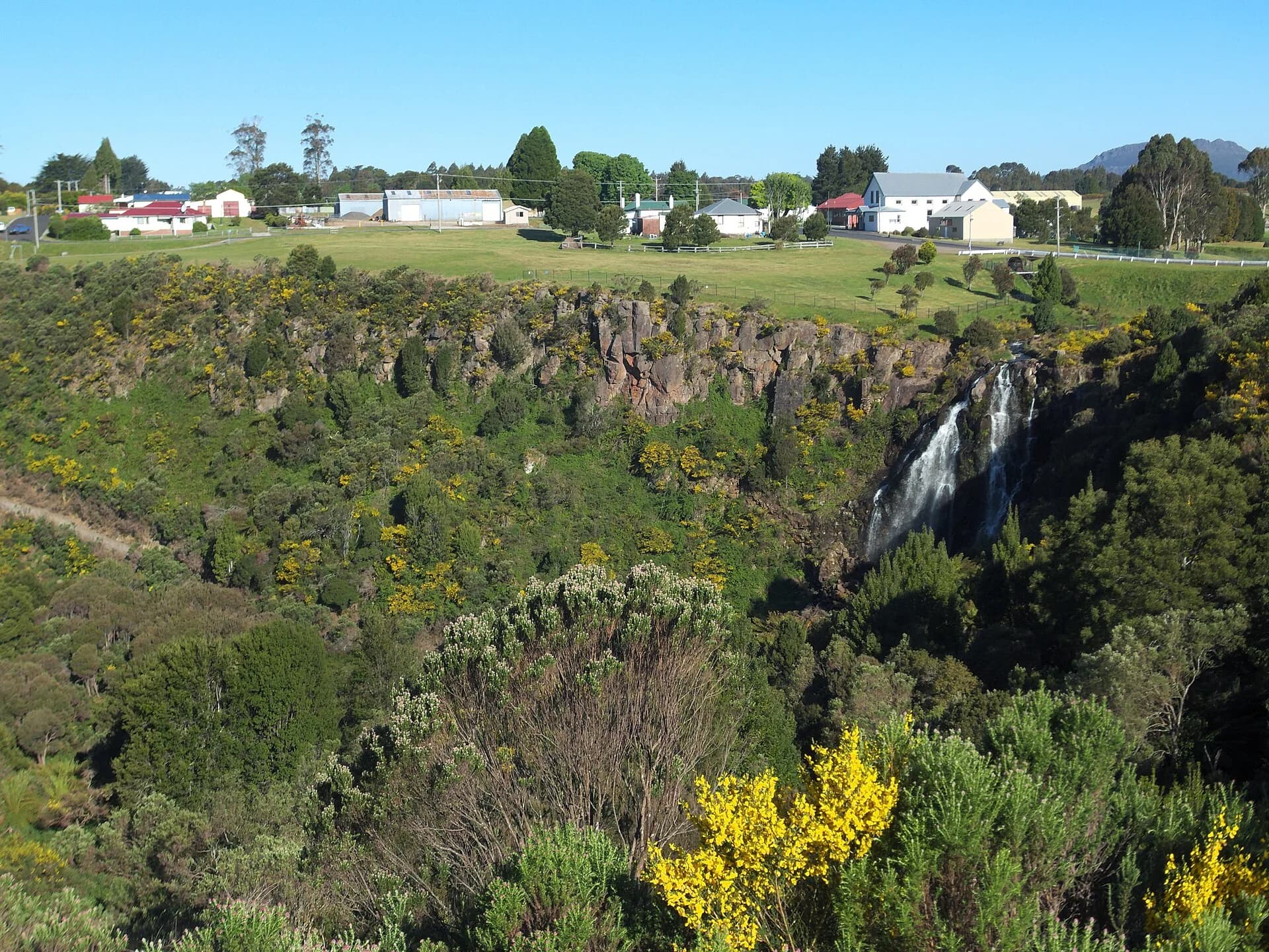

Mining depended on transport
Railways and ports determined which deposits could reach markets. Burnie and Devonport linked inland resources with shipping, while poor roads or low grades stranded other prospects.
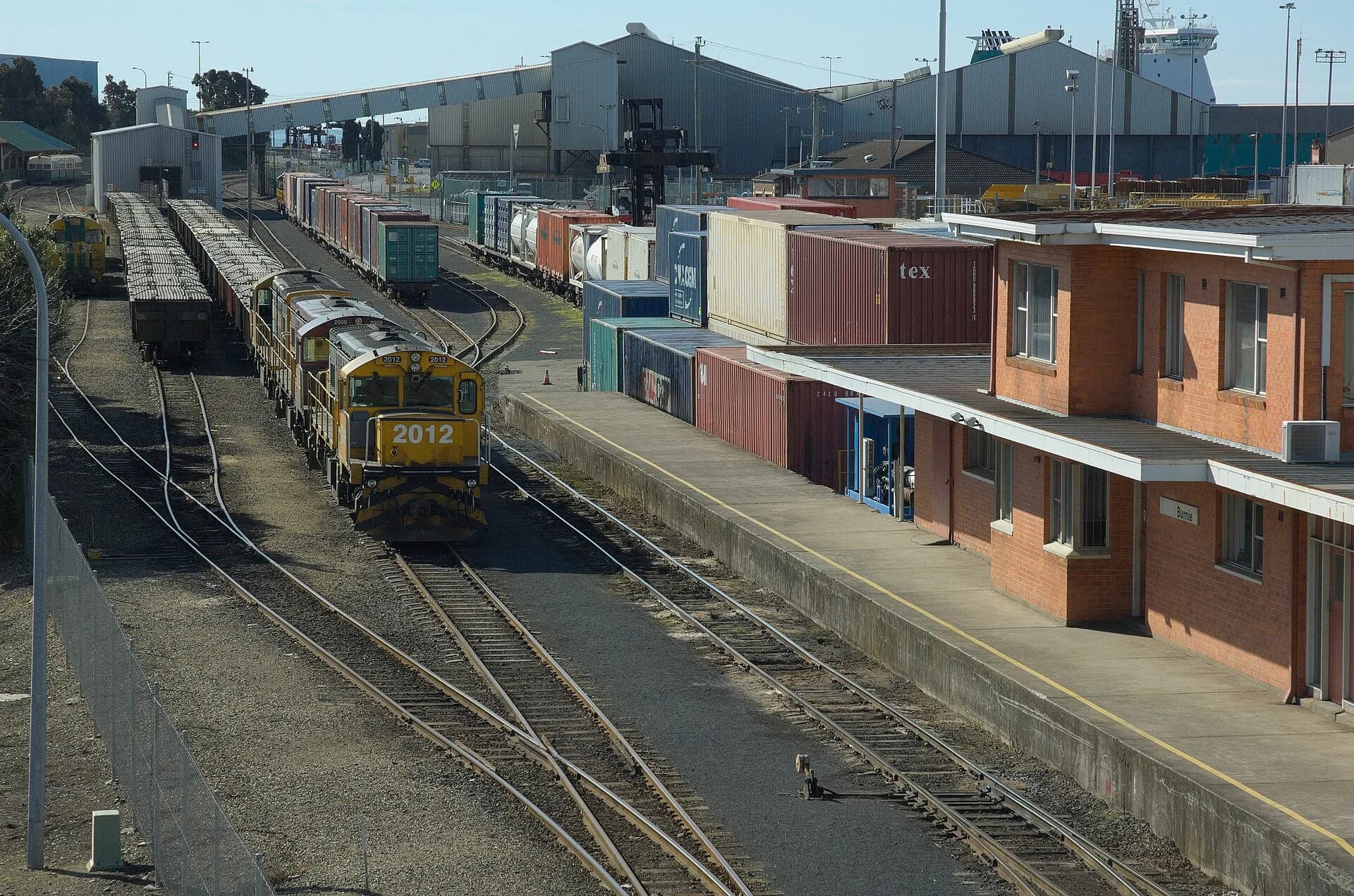

Old workings are hazards
Shafts, adits, unstable waste and contaminated ground may survive on public or private land. Never enter a working based on an old map. Use Mineral Resources Tasmania records and managed museums.
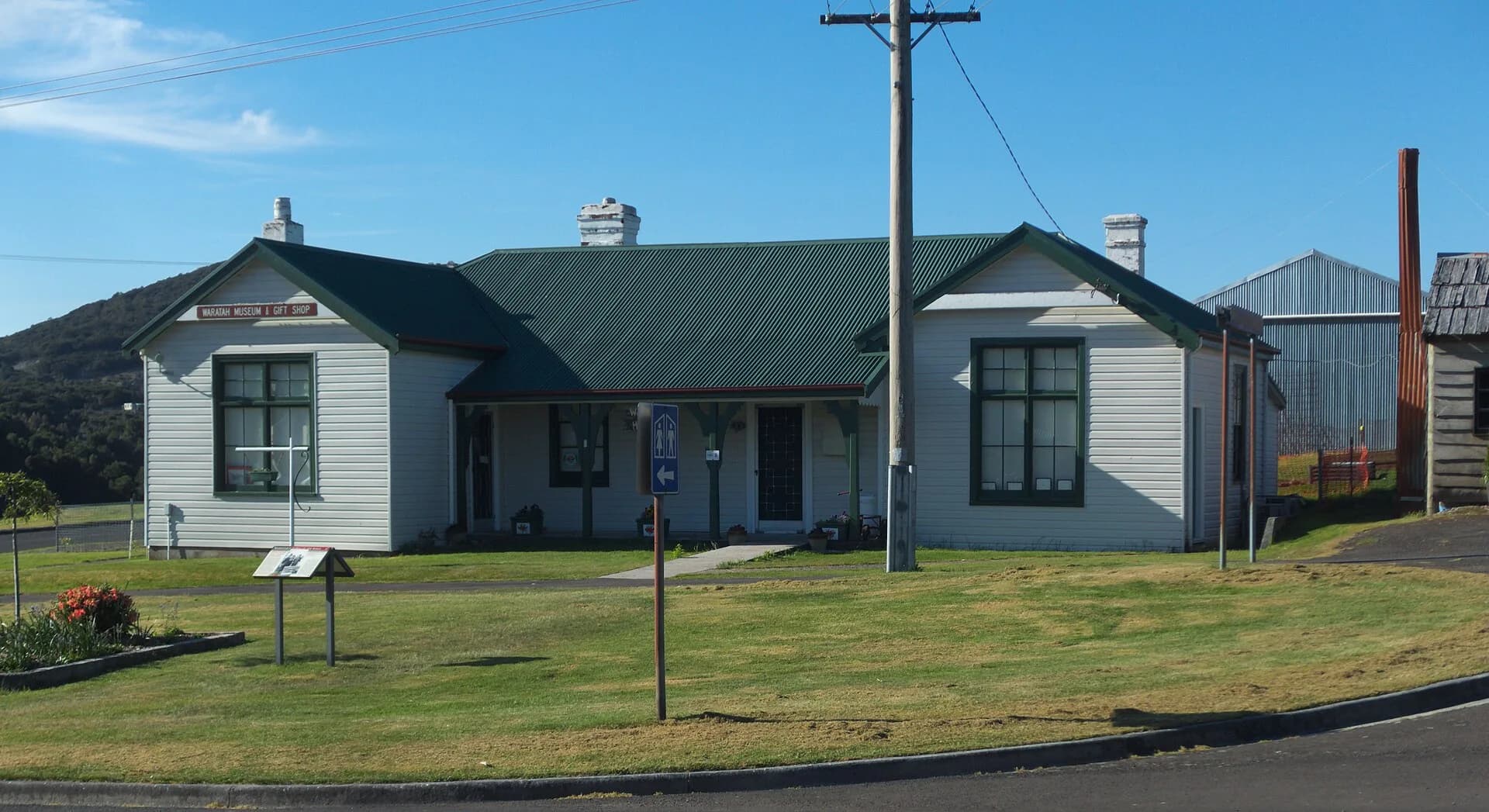

The Waratah guide explains the Mount Bischoff field, while Burnie railway history follows the transport link.