
Getting there and basic access
Tasman National Park sits on the Tasman Peninsula and is commonly visited from Hobart. Expect a sealed-road drive of around 90 minutes via Sorell or the Arthur Highway depending on your route. A parks pass is required for entry to Tasmania’s national parks. Pass types and current entry arrangements can change, so check the Parks & Wildlife Service Tasmania before you travel or on arrival.
Several car-accessible viewpoints and short walks put dramatic coastal scenery within minutes of parking. For longer experiences, the Three Capes Track is a multi-day, award-winning walk that requires planning and appropriate gear. Boat, kayak and helicopter options are promoted for different perspectives of the coastline.
Main attractions and coastal walks
The park’s best-known features are the towering dolerite sea cliffs and capes. Cape Hauy, Cape Raoul and Cape Pillar are walkable via well-graded tracks or as parts of the Three Capes Track. Closer to vehicle access, geological features carved from softer sandstones include Tasman’s Arch, Devil’s Kitchen, the Blowhole and Remarkable Cave.
Short walk options and scenic lookouts are suitable for day visitors who prefer minimal walking. Longer coastal ridges and the multi-day track demand fitness, navigation awareness and an eye on weather. The scale and exposure of cliff-top trails mean conditions can change quickly; check alerts and local advice before heading out.
Water-based activities and wildlife encounters
The meeting of ocean currents, the proximity to the continental shelf and the varied coastline give rise to rich marine life. Divers and snorkellers can encounter sea caves, shipwrecks, abundant fish and marine invertebrates in waters that range from sheltered to stormy. Seals and dolphins are common, and whales may be present in season.
Kayak and boat tours offer a chance to view cliffs from below and to visit offshore islands. Surfing is part of the peninsula’s reputation. Note that Shipstern Bluff is internationally known for very large and hazardous waves and is not suitable for most surfers. Water conditions can vary rapidly and may be influenced by swell, wind and local currents. Check marine weather, tides and local guidance before launching.
Facilities, camping and practical services
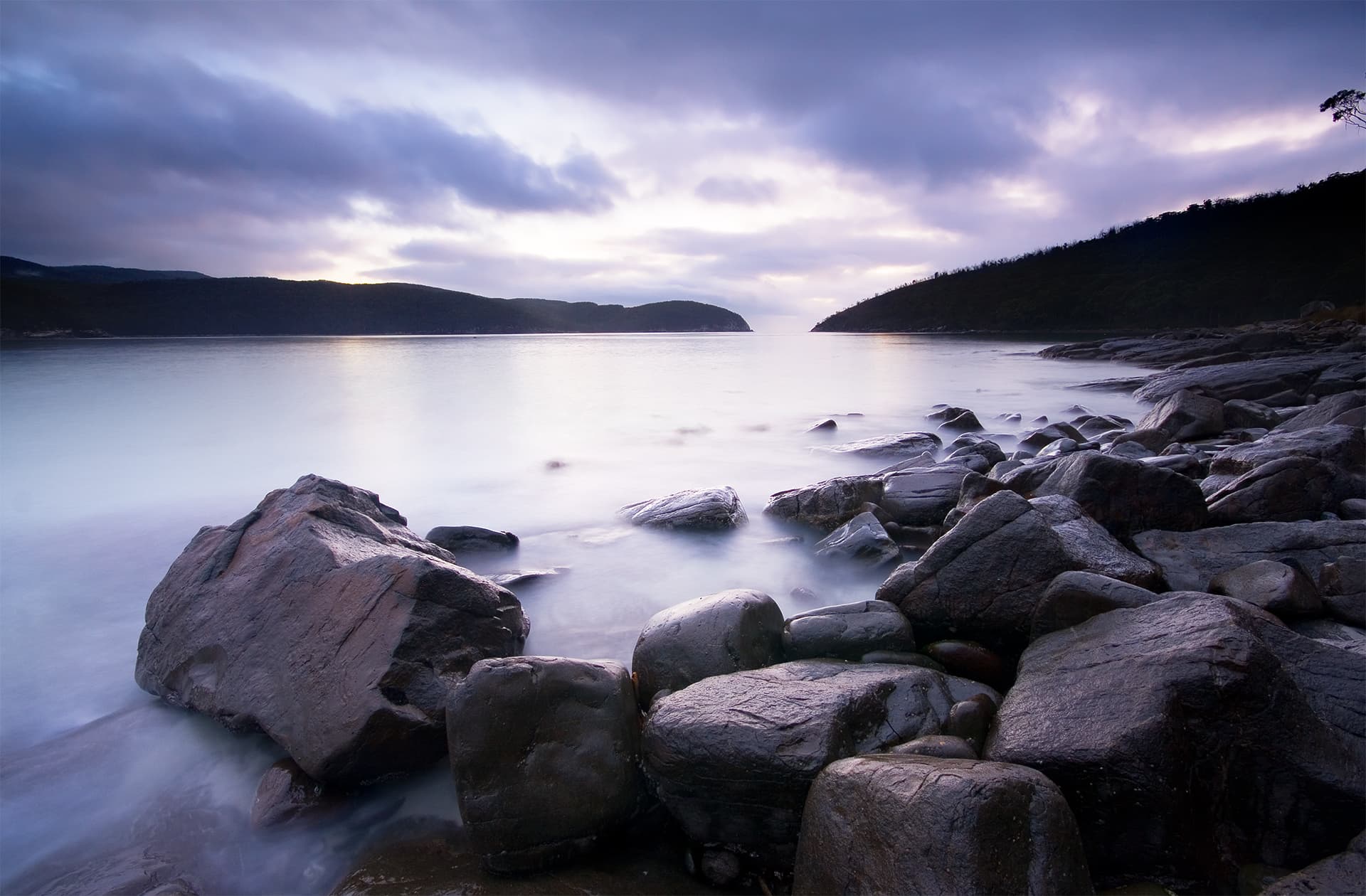
The park lists a range of visitor facilities across its areas. Expect toilets, picnic facilities, parking, short walks, boat ramps, drinking water points, some showers and designated camping areas including Fortescue Bay. Fortescue Bay is a popular campground set among blue gums and stringybarks and is the usual end point for the Three Capes Track.
Campground availability can change and bookings are required for some sites. Fortescue Bay campground bookings are managed separately; check current booking procedures and contact details before arrival. The Tasman Field Centre and park offices provide local information; note published office hours and use them to confirm alerts, pass details and any temporary closures.
Safety, weather and suitability checks
Coastal exposure and variable ocean conditions are central safety considerations. Walkers on cliff-top trails should be prepared for wind, sudden weather shifts and variable footing. Anyone planning multi-day walks should assess personal fitness and pack for rapidly changing conditions.
If you plan to dive, snorkel, kayak or boat, check marine conditions, tides and wind. Wildlife encounters are common, but they occur in a dynamic marine environment; ensure your plans match your experience and the day’s conditions. Surfing at big-wave sites such as Shipstern Bluff is dangerous and suited only to highly experienced professionals.
Parks pass requirements, campground booking rules and office opening hours are administrative checks to complete before travel. These can change, so verify pass options and alerts with the Parks & Wildlife Service Tasmania in advance. Use the park office during posted hours to confirm local updates once on the peninsula.
Cultural values and conservation priorities
The Tasman Peninsula lies within the homelands of the Pydairerme clan of the Oyster Bay nation. The area contains middens, quarries and artefact scatters and is considered to have high cultural significance to Tasmanian Aboriginal people. The park is also home to a wide range of plant species; over one third of Tasmania’s plant species are represented in this isolated region and many are recognised as threatened.
Conservation programs and visitor guidance aim to protect wildlife and culturally important places. Respect marked sites, follow visitor signage and follow biosecurity and wildlife care recommendations. These measures help maintain habitats for native birds, mammals and marine life that visitors come to observe.