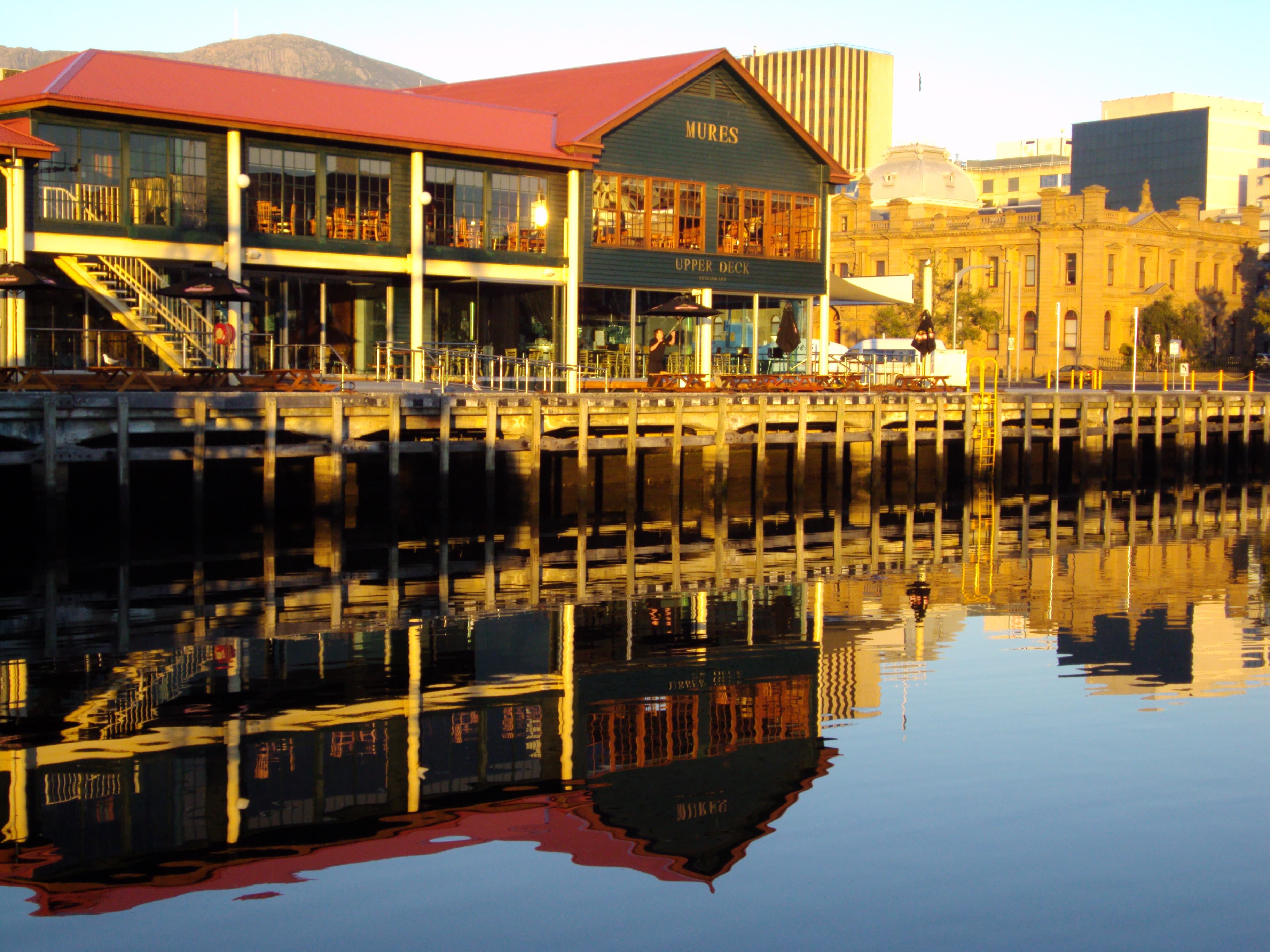

Where Narryna sits in Battery Point
Narryna occupies a 19th century merchant's house at 103 Hampden Road in Battery Point, within easy walking distance of the village centre. The location places it beside cafés, St George's Church and short walks to Salamanca Place and the Hobart waterfront. The setting makes it suitable for visitors combining a short stroll around Battery Point with a focused visit to period interiors and household collections.
What the museum interprets
The house is presented as a heritage museum that illustrates domestic life and the material culture of a merchant family. Narryna is an independent community museum that operates from the 1830s building and displays interiors and curatorial interpretation developed for public education. The collection and interpretation aim to reflect community heritage rather than being a general-purpose gallery.
Opening hours, seasonal closure and public-holiday changes
Regular public opening hours are Tuesday to Saturday, 10 am to 4 pm. The museum is closed on Sundays and Mondays. Narryna observes an annual winter closure; dates have been published for recent years, and the museum also remains closed on a number of public holidays. These include Good Friday, ANZAC Day, Hobart Show Day and the core Christmas and New Year period. Opening times and seasonal closures can vary from year to year, so confirm hours before you travel.
Access, mobility and suitability checks
The ground floor of Narryna provides complete wheelchair and mobility access. Because the building dates from the 1830s, access to the first floor is limited for visitors with reduced mobility. If you rely on step-free access, plan your visit around the ground-floor displays and contact the museum in advance to confirm any temporary closures or alternative arrangements. The site is carrying out capital improvements and upgrades to interpretation; those works can affect which rooms or displays are available on a given day.
Who operates Narryna and what that means for visitors
Narryna Heritage Museum Inc. is a community-run, registered charity and custodian of local heritage. Day-to-day operations are managed by the Tasmanian Museum and Art Gallery under a Memorandum of Understanding, and governance includes a Council with community and TMAG representatives. Support comes from state-level cultural funding programs and local benefactors. That governance model means programming, opening arrangements and capital works may reflect both community priorities and museum-sector planning.
Practical focus for heritage visitors
The museum is well suited to people who want to see a reasonably intact merchant's house and period domestic interiors. Expect curated rooms, household objects and interpretation aimed at local history and social context. The scale of the house makes visits manageable within an hour or two, depending on how closely you wish to read labels and displays.
How Narryna fits into a walking visit of Battery Point
Narryna is part of the Battery Point walking experience and features on self-guided tours such as the "In Bobby's Footsteps" route. On foot you can link the house visit with nearby Battery Point village and St George's Church or continue down to Salamanca Place for galleries, markets and eateries. If you prefer to use a taxi, destinations such as the Cascades Female Factory are listed as reachable by short vehicle journeys.
Before you go: checks to make
- Confirm opening hours and the museum's current seasonal closure dates. Those details can change with annual programming and public holidays.
- Check whether capital improvements or interpretive work are restricting access to specific rooms or collections on the day you plan to visit.
- If you require step-free access, contact the museum beforehand to verify which areas on the day will be available and to discuss any assistance you might need.
- Allow time for a short walk around Battery Point village if you intend to combine the visit with nearby sites.
Visitor suitability and what to expect on arrival
Narryna is family friendly in the sense that it presents house interiors rather than large interactive galleries. It suits adults, older children and anyone with an interest in local history and domestic life. Because the building is historic, expect some constraints around mobility and keep in mind scheduled closures and public-holiday variations. Staff and volunteers manage the collection and can advise on accessibility and the parts of the house currently open to visitors.