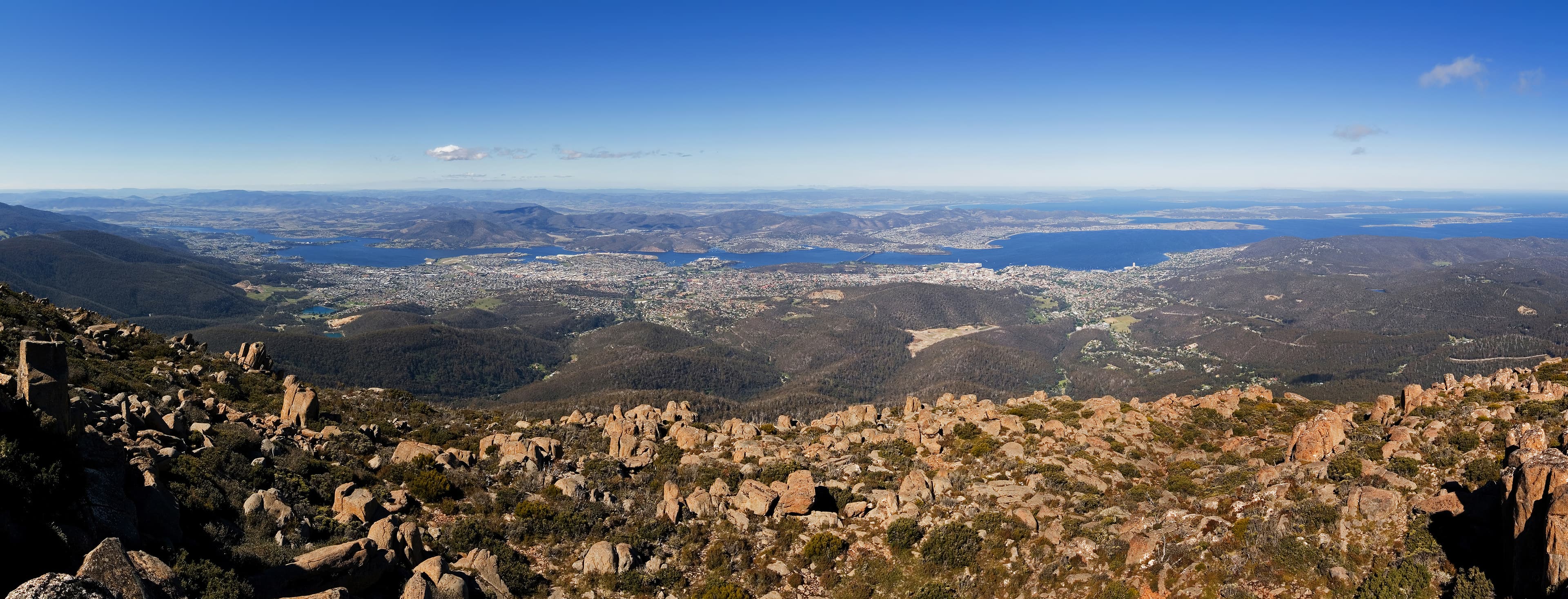

Getting to MONA from Hobart
MONA sits on the River Derwent about eleven kilometres north of Hobart. The most common visitor route is the high-speed ferry from Brooke Street Pier. The crossing takes around thirty minutes each way and runs frequently through the day, with schedules that change between peak and off-peak periods. Driving is an option; allow about twenty minutes by road, but parking at the ferry terminal is limited and you may prefer to leave your car at your accommodation and use a taxi or rideshare.
Tickets, times and simple checks
MONA is open Thursday to Monday, 10am to 5pm. Museum entry is ticketed and advance bookings are recommended to avoid queues and to secure a preferred arrival time. Non-Tasmanian adult entry prices are listed in set bands; Tasmanian residents have free admission but still need to reserve a ticket and should be prepared to show ID at entry. A $3.50 transaction fee applies to most advance bookings. Some special artworks and experiences inside MONA require separate tickets, and two-day discounted tickets are available if you plan to spread a visit over more than one day.
What to expect inside the museum
MONA’s collection mixes older and contemporary work alongside library spaces, a winery and food and drink outlets. The museum environment can be dark, occasionally noisy and may feature strobe lighting; some works may be confronting or unsuitable for younger children. There are seats and bars on site, plus areas where the experience becomes deliberately immersive or disorienting. If you need quieter spaces, the parent and carer room is on B3 and gallery staff can advise on access and quieter routes.
Access and mobility information
The building is largely subterranean with three basement levels commonly referred to as B1, B2 and B3. Three lifts operate within the museum: a main lift between the entrance and the basement levels, an internal lift between B1, B2 and B3, and the Pharos atrium lift linking B3 and B2. MONA is mostly accessible for mobility aids, prams and assistance animals, and there are accessible toilets across the site. Some parts of the museum are not suitable for mobility aids: examples called out include the Pausiris chamber, parts of the heritage Round House, and specific artworks. A small number of museum wheelchairs are available to borrow but cannot be reserved in advance, so bring your own mobility aid if possible.
Transport, parking and practical checks
If you are driving to the ferry terminal at Brooke Street Pier, the museum recommends using nearby multistorey car parks such as Argyle Street, Centrepoint or Market Place; these are typically a 10–15 minute walk to the pier. Accessible parking near Brooke Street Pier is available along Franklin Wharf, Salamanca Place and Castray Esplanade, and there is a drop-off area directly in front of the pier. Note that MONA operates a cashless policy. Metro buses numbered 510, 520, 522 and X20 serve MONA and were reported as free to ride until 30 June 2027; check current local transport conditions before you travel. Booking ahead is recommended to avoid missing timed entry slots.
Short walks and trails around Greater Hobart
If you want to combine a museum day with short coastal or bush walks, Greater Hobart has many compact tracks with different characters and difficulty levels.
-
Rosny Parklands Circuit: an easy 1.69km loop through parkland with native plants and birdlife, suitable for a short stroll.
-
Arm End Circuit: about 6km and taking roughly two hours, this track follows coastal grasslands with beaches and birdlife. The reserve contains rabbit burrows, so watch your step, and there is notable Aboriginal heritage in the landscape.
-
Lauderdale Wetlands Track: a short 701m loop that takes about 15–20 minutes and passes stormwater wetlands planted with native rushes and sedges, useful for birdwatching.
-
Tawny Trail, Knocklofty Reserve: a 1.5km loop offering a quick immersion in bushland close to the city. This shorter loop is an easier alternative to longer summit tracks and the area can be accessed with the City of Hobart TrailRider for rough terrain wheelchair users; check hire arrangements in advance.
-
Bicentennial Circuit: a roughly 5km option that links parkland, forest and coastal viewpoints, including a lookout with views towards kunanyi / Mount Wellington. Parts of this reserve are accessible by public transport and there are multiple route options.
Some tracks have specific dog or access rules. For example, Truganini Track and Cartwright Reserve do not allow dogs, while the nearby Waylranyi / Cartwright Point is an off-lead dog area. Trail difficulty ranges from very easy to moderate; check the listed length and features before you go.
Final practical checklist
- Book museum entry and ferry tickets in advance where possible to secure timed slots and avoid queues.
- Tasmanian residents should reserve a free ticket and carry ID for entry.
- The site is cashless; plan card payment methods accordingly.
- If you rely on mobility aids, bring them and confirm current accessibility details; museum loan wheelchairs cannot be reserved.
- Be aware of the museum environment: darkness, sudden noises and strobe lighting are used in places and some artworks may be confronting for children.
- For walks, check track length, difficulty and dog rules before heading out, and watch for natural hazards such as rabbit burrows on open grassland tracks.
Combining MONA with a short local walk gives a mix of cultural and natural experiences that sit close to Hobart’s city centre. Timed entry, transport changes and seasonal ferry schedules mean a quick pre-trip check of tickets, parking and public transport will make the day smoother.