Swansea, Tasmania
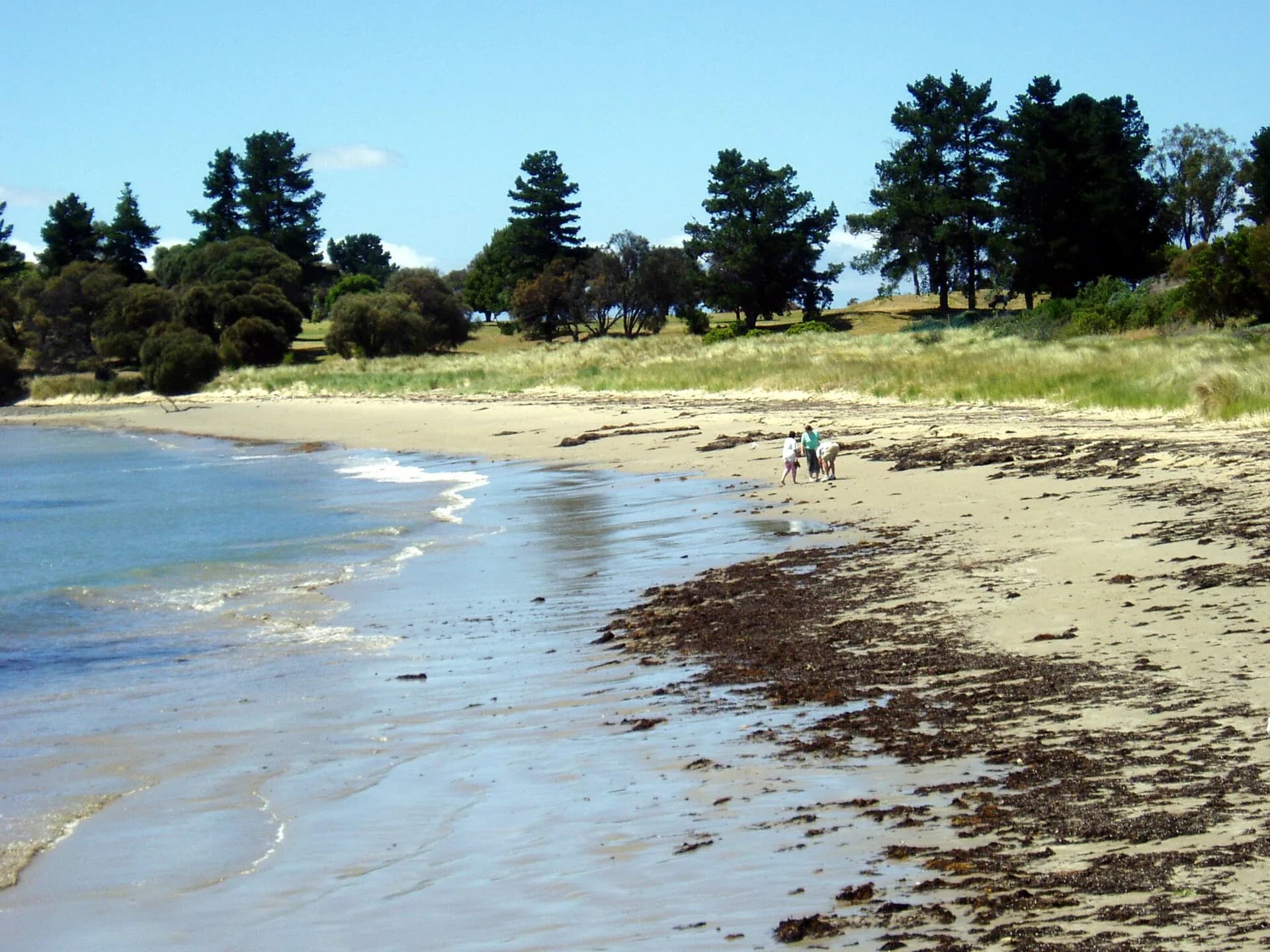
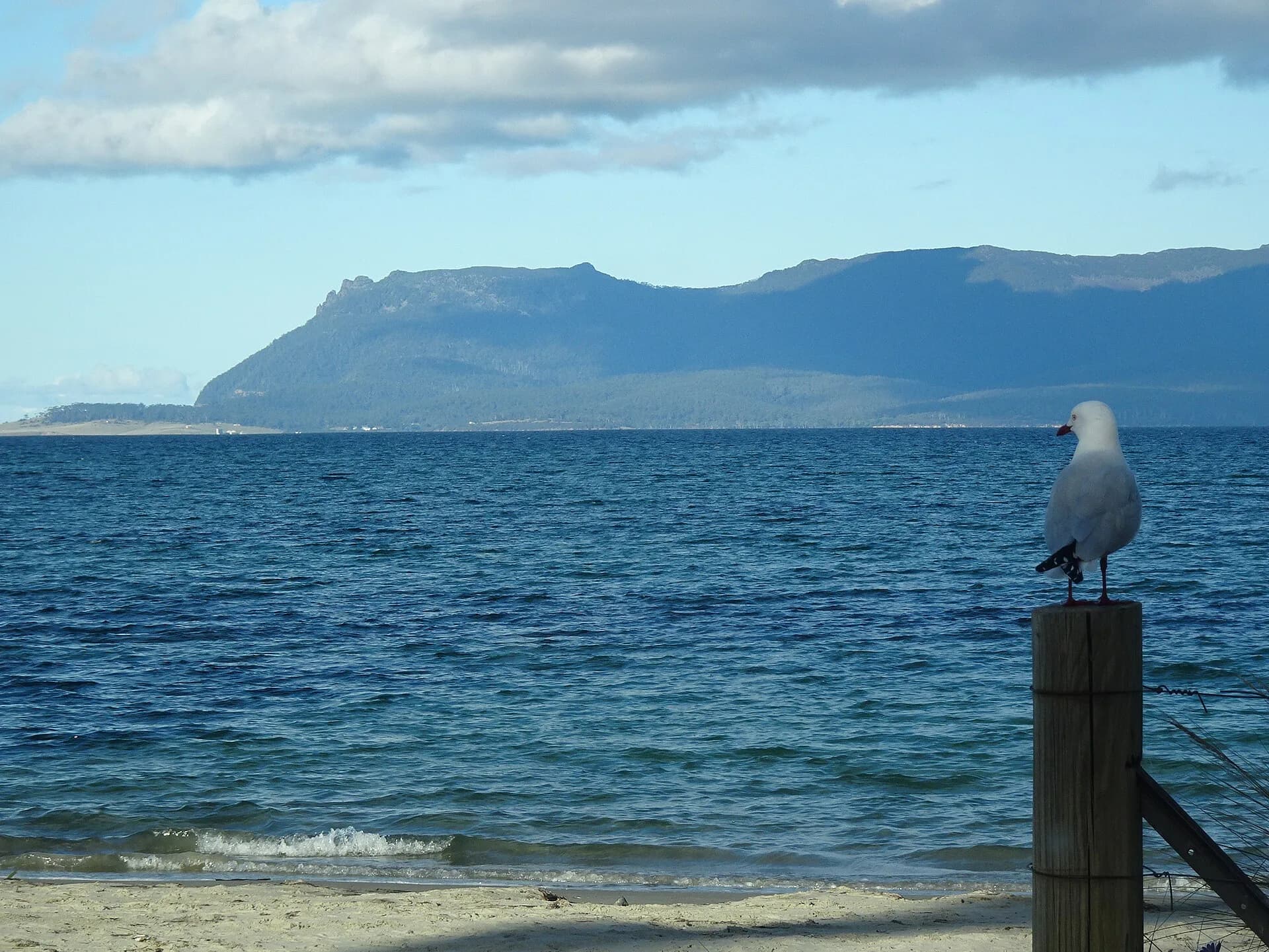
A small historic coastal township that has gained notoriety as a centre for deep sea and river fishing. Swansea sits on Great Oyster Bay and gazes across at the rugged mountains of the Freycinet National Park. It is a pretty setting and it boasts a very substantial number of historic homes and buildings which give this fishing and holiday destination a distinctive charm. Swansea is a popular place to retire, as it has the largest percentage of over-65-year-olds in its population of any town in Tasmania.
Where Is it?: Swansea is 134 km from Hobart; 133 km from Launceston; 67 km from Campbell Town on Great Oyster Bay.

Schouten House
Schouten House (formerly the Swansea Inn), is one of Swansea's iconic historic buildings. Erected in 1844 in the traditional grand Georgian style, by William Champion of Hobart, as a wedding gift for his daughter Theresa, who married Samuel Wellard. From this point on the building has etched its place in the history of Swansea in both a tragic and a magnificent way. Schouten House takes its name from Schouten Island, which sits across Great Oyster Bay at the tip of Freycinet Peninsula. The island was first named Schouten's Isle in 1642 by Dutch navigator and explorer Abel Tasman, while surveying the south-west coast of Tasmania He named the island after Joost Schouten, a member of the Council of the Dutch East India Company which had backed his voyage.

Morris General Store
Now an impressive three-storey building on the main road through the town, this Georgian brick and stone store has been in the Morris family ownership and operation for over 100 years. It was built as a single storey structure about 1845 and the top two floors were added in 1855 as business expanded. Levels one and two are of uncoursed random stone, level three is brick (English bond). Also featured are timber window lintels, 12-pane windows and iron hip roof-double hips.
Location: Morris General Store, 13 Franklin St, Swansea.

Swansea Bark Mill
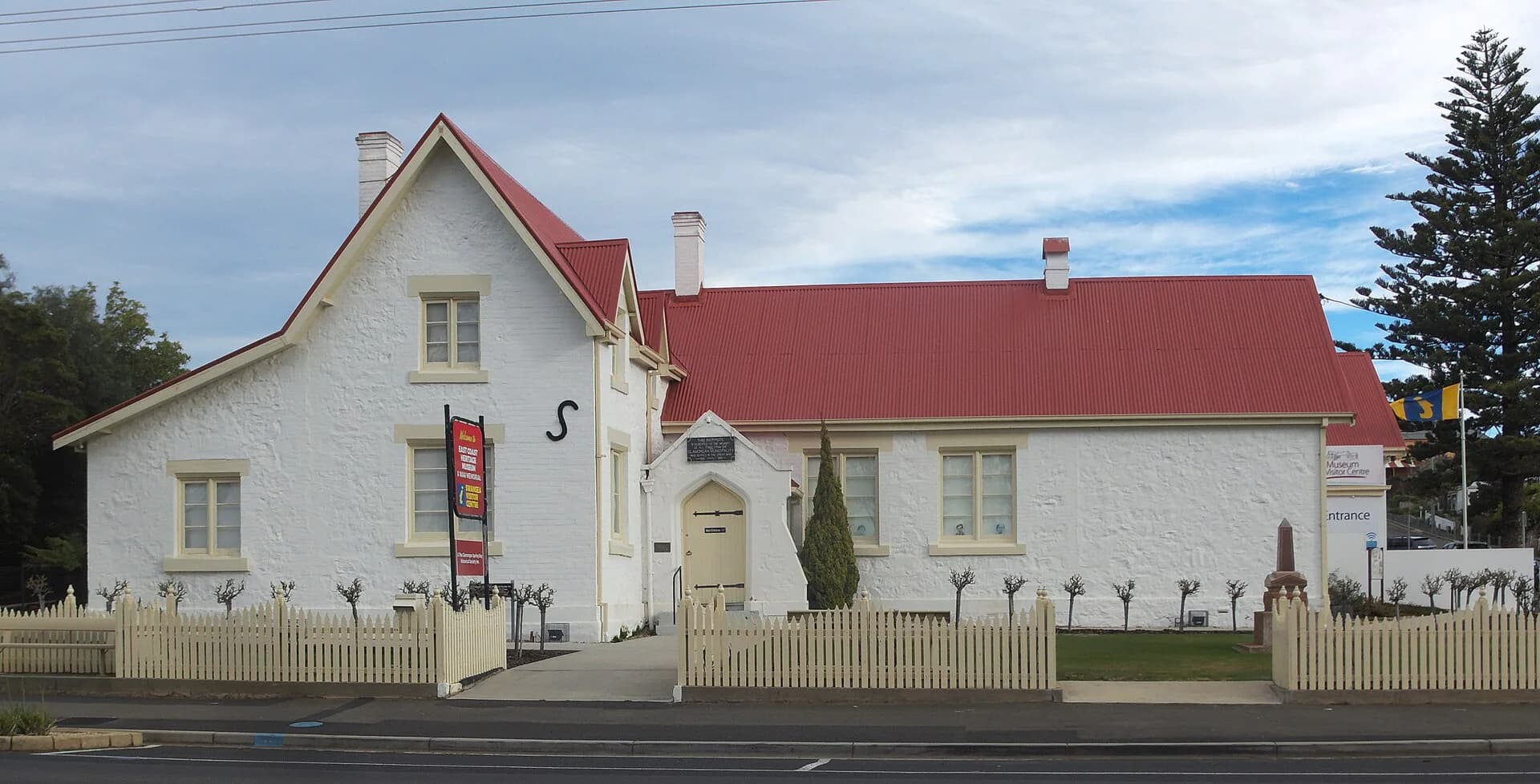
Swansea Bark Mill and East Coast Museum was built by the Morey family in the 1880s (circa 1885). This historic machinery plant originally processed black wattle bark which was the basic ingredient used for tanning leather. It is possible to see the machinery working today. This is certainly Australia s only restored Black Wattle Bark Mill, and possibly the only one in the world. Made from a variety of objects found at the time, such as jam tins, packing cases and old bed sheets, a visit here gives a fascinating insight into the ancient art of using bark or tanning leather.
Surrounding Area

Spiky Bridge
An unusual stone bridge which is more like a causeway, Spiky Bridge was built in the period 1845-48 by convicts from the Rocky Hills probation station on the east coast of Tasmania. The structure is an edifice to convict craftmanship. Previously named La Farelles bridge, its present name derives from its distinctive parapets.
It took the cunning and ingenuity of an Irishman to ensure that a notoriously difficult road on Tasmania's east coast was improved. Edward Shaw was a friend of Major de Gillern, then superintendent of the Rocky Hills Probation station. Tired of his requests to improve the road traversing the steep gully south of Waterloo Point, some 7.5 kilometres south of Swansea, Edward took matters into his own hands. One night while driving the Major home he took the gully at full gallop making the journey somewhat uncomfortable for the Major. In no time a convict gang was assigned to build a bridge across the sharp dip.
This field stone bridge sppears to be dry stonework. Its side walls, being of random rubble, make it more a causeway with small arched culvert. It features stone buttresses on west side beside a central channel. The lower side of the west wall (sloping side) was strengthened during 1920's. The bridge parapets with large and small upright stones inspired the bridge's present name. It has been claimed that the spikes were designed to prevent cattle falling over the sides. The bridge is located on the Tasman Highway near Swansea.

Three Arch Bridge
7 kms further south of the Spiky Bridge is another interesting bridge, again named in a practical manner. Three Arch Bridge, also convict built, is actually underneath the existing east coast road, which has been constructed over the top. You can access the bridge by walking 40 metres along a track from the carpark and camping ground at Mayfield Beach.

Australia's Longest Place Name
The longest name in Australia is right in the heart of Swansea. The loon.tite.ter.mair.re.le.hoin.er walk is a graveled and well-marked track around Waterloo Point. It offers stunning coastal scenery and passes through a shearwater breeding area. The birds can be seen at dusk in the summer months.

Freycinet Peninsula
Jutting out between The Tasman Sea and Great Oyster Bay on Tasmania s east coast, Freycinet Peninsula (58 east by road) is one of Tasmania s most visited destination. It is a rugged and beautiful stretch of land, noted for its white-sand beaches, secluded coves, panoramic vistas, rocky cliffs and excellent bushwalks through the Freycinet National Park. Coles Bay is the only settlement on the peninsula.
In its own way Freycinet National Park is one of Australia's most interesting wilderness areas - where else in the world do you see red granite cliffs tumbling into the cold ocean? This 10 000 ha park is alive with unusual animals - Tasmanian pademelons, white-breasted sea eagles, red-necked wallabies - and in season offers spectacular displays of rare native flora, notably a wide variety of native orchids. It is fair to say that it is one of the country's most spectacularly beautiful areas and when the weather is perfect it is hard to imagine a more peaceful and awe-inspiring piece of coastline.